
The Cathedral Encounter
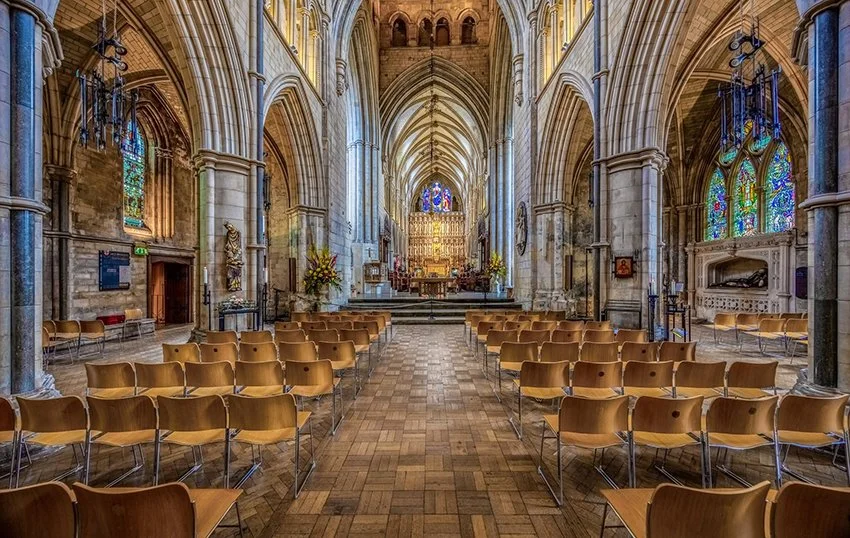
Image: Philip Smithies, 27 Feb 24 on Facebook
I once went on a solo trip to London as a day tourist. The city is vast and has such a diverse history, I enjoy discovering it, bit by bit!
I got off the train at Waterloo and strolled along the South Bank of the River Thames towards Southwark. I came to Southwark Cathedral and went inside to look around.
This Cathedral has a long and distinguished history covering over 900 years of Christian witness and mission.
I wondered around taking in the architecture, artwork and ambience. Then sat for a while in a little corner of this ancient place.
As I sat quietly the presence of God suddenly became very real and I began to weep. It was not tears of sadness, but peace, like waves of Godly love. I was quite overwhelmed.
When I reflected on this experience, I wrestled with my theology. I was brought up being taught that the church is the people, not buildings, and that you can meet God anywhere.
I do still believe that, but, at Southwark Cathedral I encountered God in a most unusual way. I was reminded of King Solomon, who said…
“The temple I am going to build will be great, because our God is greater than all other gods. But who is able to build a temple for him, since the heavens, even the highest heavens, cannot contain him? Who then am I to build a temple for him, except as a place to burn sacrifices before him?”
This was written at the start of a 7 year building programme where King Solomon constructed a magnificent temple to God in Jerusalem.
However, Solomon understood that God could and would not be confined to a single space on earth, because He is far greater than that.
The temple was a focal point for the people, a place to worship and pray. In other words, God did not need it, but the people did.
Today, God still does not need a physical building on earth. The New Testament shows us that God dwells in each of his followers.
However, I believe God knows that we humans, often need ‘things’ (spaces, objects, routines) to help us to connect with Him.
These practises, rhythms and places act as ‘focal points’ that can help us in our faith journeys. Let me encourage you to embed these into your lifestyle.
God bless you:)
Gary Bastin
Hope Community Church leader